
Refused a Breathalyzer? What the Court Will Consider
Feb. 23, 2026
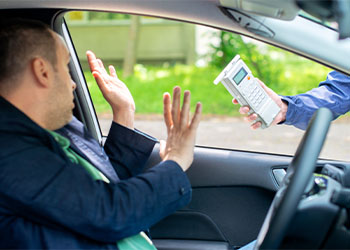 Being stopped for suspected drunk driving is stressful. Being asked to take a breathalyzer can feel overwhelming, confusing, and even scary—especially if you’re worried about saying or doing the wrong thing.
At Walker Law LLC, I work with people every day who are facing tough DUI-related decisions. I have the knowledge, strategic approach, and resources to fight for your rights every step of the way.
From my offices in Wentzville and Town & Country, I help clients in Chesterfield, Missouri, Cottleville, and throughout St. Louis County and St. Charles County understand what the court may look at after a breathalyzer refusal. Reach out today to discuss your situation and gain clarity on all of your options.
What It Means to Refuse a Breathalyzer in Missouri
In Missouri, driving is considered a privilege, not a right. When you’re licensed to drive, you’re agreeing to the state’s implied consent law. That law says that if an officer has reasonable grounds to believe you were driving under the influence, you’ve already agreed to submit to a chemical test, including a breathalyzer.
Refusing doesn’t automatically mean you’ll be convicted of DUI, but it does trigger separate consequences. Courts treat a refusal differently from a failed test, and prosecutors often use the refusal itself as evidence. It’s important to understand that refusing a breathalyzer is a legally significant decision, even if no reading is produced.
Administrative Penalties You May Face After Breathalyzer Refusal
Before a DUI case even reaches a courtroom, the Missouri Department of Revenue can take action against your driver’s license. These administrative penalties are separate from any criminal charge. Below are common consequences tied to refusal. Immediate license revocation consequences may include:
A one-year license revocation for refusing a breathalyzer
Limited driving privileges only after a waiting period
Required installation of an ignition interlock device
Additional fees and reinstatement requirements
These penalties move quickly, often faster than people expect. You usually have only a short window to challenge them. Even though this process occurs outside the criminal court, it still matters significantly. Losing the ability to drive affects work, family responsibilities, and daily life. That’s why I often step in early to help clients challenge the revocation or seek limited driving privileges. Once these administrative issues are resolved, the criminal case proceeds.
How Prosecutors Use a Breathalyzer Refusal in Court
Many people believe refusing a breathalyzer keeps evidence out of court. Unfortunately, that’s not how it works. Missouri courts generally allow prosecutors to bring up the refusal itself. Prosecutors may argue that a refusal suggests consciousness of guilt. They’ll often claim you refused because you believed the result would hurt you. Here are some factors courts may consider:
Whether the officer had legal grounds to request the breathalyzer.
The clarity of the refusal warnings.
Your behavior before and after the refusal.
Statements made at the scene.
Refusal doesn’t prove intoxication on its own, but it can influence how a judge or jury views the situation. That’s why working with an experienced criminal lawyer matters—someone who knows how to challenge assumptions and highlight weaknesses in the state’s case.
Factors the Court Will Look At When You Refused A Breathalyzer
Every DUI case is fact-specific. Courts don’t rely on just one detail, especially when a breathalyzer result isn’t available. Before listing key factors, it’s important to understand that context matters. No single observation automatically leads to a conviction. Some of the key factors courts often review include:
Reason for the traffic stop: Was there a valid reason to pull you over?
Officer observations: Slurred speech, balance issues, or odor claims
Field sobriety test performance: How tests were explained and conducted
Refusal circumstances: Whether warnings were properly read
Video or audio evidence: Dash cam or body cam footage
Each of these points can be challenged. Officers make mistakes. Videos don’t always match reports. Warnings aren’t always clear. After reviewing these factors, I help clients push back against assumptions and present a fuller picture of what actually happened.
Why Legal Guidance Matters After Refusal
A breathalyzer refusal often places greater emphasis on the remaining evidence. Prosecutors lean heavily on officer testimony and assumptions about why you refused. Without guidance, people often feel stuck, overwhelmed, or unsure of what to say or do next. That’s where having someone in your corner matters.
I work closely with clients to explain options, discuss risks, and help them make informed choices—not rushed ones. This isn’t about fear tactics. It’s about protecting your record, your license, and your future.
Take Legal Action Today
If you refused a breathalyzer, it’s normal to feel anxious about what comes next. You may be worried about your license, your job, or how this could affect your family. These concerns are real, and they deserve careful attention—not judgment.
At Walker Law LLC, I help clients face these moments with confidence and clarity. Getting clear advice early can reduce uncertainty, protect your rights, and help you feel more prepared for what lies ahead. Reach out to us today, and let’s discuss your situation and next steps. I proudly assist clients in Wentzville, Chesterfield, Town & Country, Cottleville, and throughout St. Louis County and St. Charles County, Missouri.